

Chiropractic Adjustments & Techniques
How adjustments are chosen from findings — full-body, extremity, and technique selection.
7 Articles
-
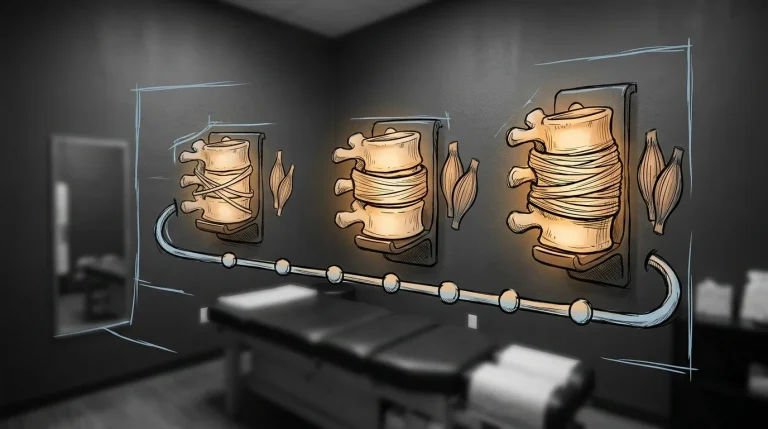
Joint Mobilization vs. Structural Correction: Why a Single Chiropractic Adjustment Won’t Fix Spinal Curvature
Learn why joint mobilization gives temporary relief while structural correction remodels spinal curvature over time using data-driven care plans. -
Corrective Chiropractic Care vs. Physical Therapy: How Spinal Alignment Complements Muscle Rehab
Corrective chiropractic care vs physical therapy: how spinal alignment restores structure so muscle rehab can actually hold long term. -
How to Maintain Spinal Alignment After Chiropractic Adjustments with Custom Spinal Exercises
Learn how custom spinal exercises help maintain spinal alignment after chiropractic adjustments by reinforcing structural change long-term. -
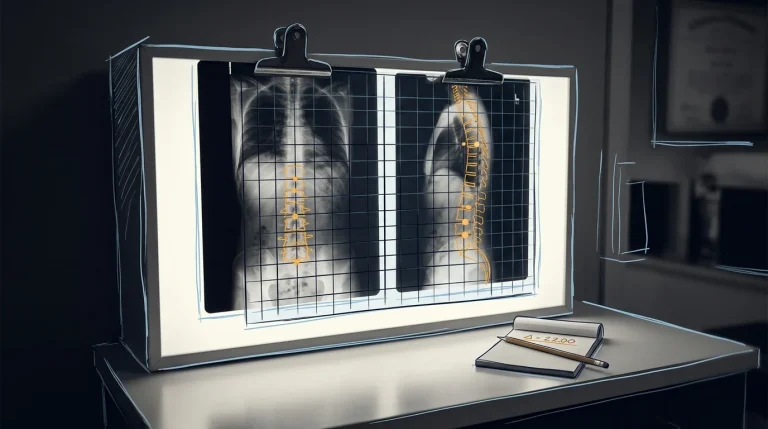
Understanding Lines of Mensuration: How Chiropractors Measure Spinal Angles in Millimeters
Learn how lines of mensuration let chiropractors measure spinal angles in millimeters for objective, trackable structural analysis. -

High-Volume Chiropractic Adjustments vs. Precision Corrective Care: What Chronic Pain Patients Should Know
Compare high-volume chiropractic adjustments with precision corrective care for chronic pain, including diagnostics, timelines, and long-term outcomes. -
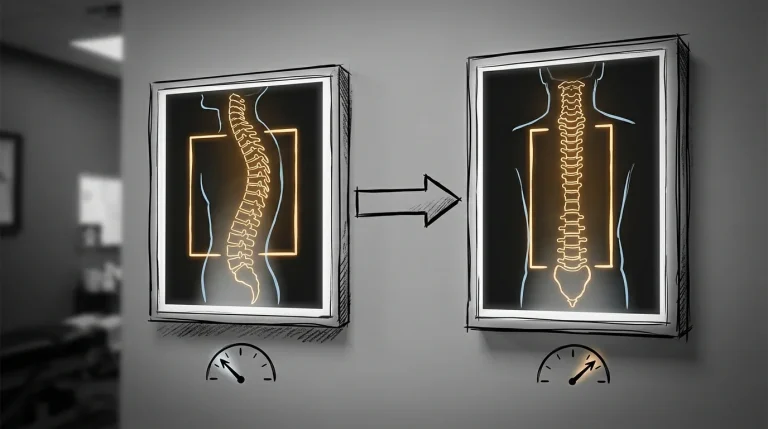
What Is Chiropractic BioPhysics and How Does It Guide Structural Correction?
Chiropractic BioPhysics explained: how this data-driven protocol measures spinal alignment and guides structural correction using proven, ideal models. -

The Science of Corrective Chiropractic Care: Why Objective Measurement Dictates True Spinal Alignment
Corrective chiropractic care relies on objective measurement, not guesswork. Learn how diagnostic imaging defines spinal alignment and tracks real change.
Reading Is Not a Workup
An article can tell you what a spinal curve is. It cannot tell you what yours looks like. Digital X-rays do that.